
Özdemir, Serpil
Loading...

Profile URL
Name Variants
Özdemir, Serpil
S.,Özdemir
S. Özdemir
Serpil, Özdemir
Ozdemir, Serpil
S.,Ozdemir
S. Ozdemir
Serpil, Ozdemir
Ozdemir, Nurten Karacan
Ozdemir, Salih C.
Özdemir, Aydoğan
Özdemir, Zeynep
Ozdemir, Mehmet Akif
S.,Özdemir
S. Özdemir
Serpil, Özdemir
Ozdemir, Serpil
S.,Ozdemir
S. Ozdemir
Serpil, Ozdemir
Ozdemir, Nurten Karacan
Ozdemir, Salih C.
Özdemir, Aydoğan
Özdemir, Zeynep
Ozdemir, Mehmet Akif
Job Title
Öğr. Gör.
Email Address
Serpıl.ozdemı[email protected]
Main Affiliation
Advertising
Status
Former Staff
Website
ORCID ID
Scopus Author ID
Turkish CoHE Profile ID
Google Scholar ID
WoS Researcher ID
Sustainable Development Goals
11
SUSTAINABLE CITIES AND COMMUNITIES

1
Research Products
17
PARTNERSHIPS FOR THE GOALS

0
Research Products
14
LIFE BELOW WATER

0
Research Products
8
DECENT WORK AND ECONOMIC GROWTH

1
Research Products
15
LIFE ON LAND

0
Research Products
1
NO POVERTY

0
Research Products
7
AFFORDABLE AND CLEAN ENERGY

6
Research Products
6
CLEAN WATER AND SANITATION

0
Research Products
12
RESPONSIBLE CONSUMPTION AND PRODUCTION

0
Research Products
16
PEACE, JUSTICE AND STRONG INSTITUTIONS

0
Research Products
9
INDUSTRY, INNOVATION AND INFRASTRUCTURE

0
Research Products
3
GOOD HEALTH AND WELL-BEING

0
Research Products
2
ZERO HUNGER

0
Research Products
4
QUALITY EDUCATION

1
Research Products
10
REDUCED INEQUALITIES

0
Research Products
13
CLIMATE ACTION

1
Research Products
5
GENDER EQUALITY

0
Research Products

This researcher does not have a Scopus ID.

This researcher does not have a WoS ID.

Scholarly Output
19
Articles
7
Views / Downloads
433/914
Supervised MSc Theses
2
Supervised PhD Theses
0
WoS Citation Count
63
Scopus Citation Count
111
WoS h-index
5
Scopus h-index
6
Patents
0
Projects
0
WoS Citations per Publication
3.32
Scopus Citations per Publication
5.84
Open Access Source
4
Supervised Theses
2
| Journal | Count |
|---|---|
| 2020 55th International Universities Power Engineering Conference (UPEC) | 2 |
| 2009 15th International Conference on Intelligent System Applications to Power Systems | 1 |
| 2019 20th International Conference on Intelligent System Application to Power Systems (ISAP) | 1 |
| 2019 54th International Universities Power Engineering Conference (UPEC) | 1 |
| 2021 14th Ieee International Conference on Industry Applications (Induscon) | 1 |
Current Page: 1 / 3
Scopus Quartile Distribution
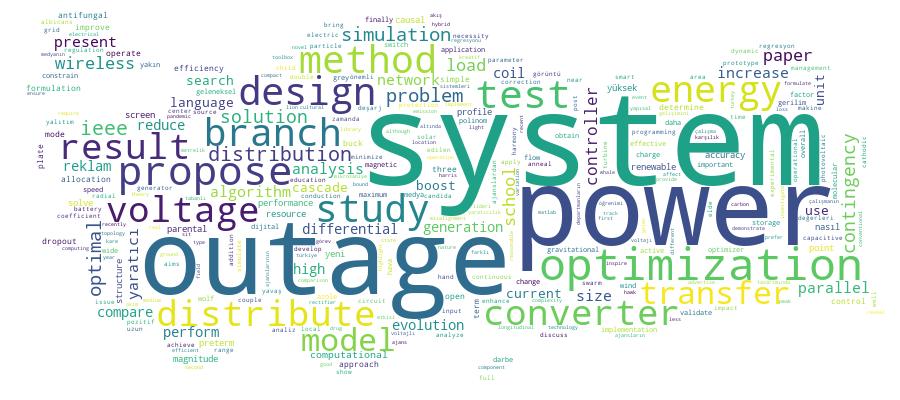
Competency Cloud
19 results
Scholarly Output Search Results
Now showing 1 - 10 of 19
Article Solar Energy-Powered Wireless Charging System for Three-Wheeled E-Scooter Applications(Pergamon-elsevier Science Ltd, 2025) Erel, Mehmet Zahid; Ozdemir, Mehmet Akif; Aydemir, Mehmet TimurWireless power transfer (WPT) is a remarkable charging technology that addresses the range limitations and complexity of light electric vehicles. This study presents a novel approach to a solar-powered WPT system designed for three-wheeled e-scooter applications. The proposed system offers compact, lightweight, and costeffective solution with a ferrite-less structure and a series-series (SS) compensation topology, resulting in enhanced system efficiency and adaptability. The compact and efficient converters are designed to enhance performance and reduce system size. A Proportional-Integral (PI) controlled Perturb and Observe (P&O) maximum power point tracking (MPPT) method is implemented to optimize energy extraction from three solar panels. The design is validated through comprehensive simulations and demonstrates a superior dynamic response over the Incremental Conductance MPPT (ICM) method. Performance tests confirm the reliability of the experimental prototype, achieving a system efficiency of 88.5 % at 300-W output power over a 100 mm transfer distance under fully aligned condition. Comparative analyses with existing solar-powered e-cycle systems highlight the proposed design's superiority in efficiency, cost-effectiveness, and adherence to safety standards. The results indicate that the proposed design enhances sustainable urban transportation by reducing carbon emissions and decreasing reliance on fossil fuels, facilitating the wider integration of renewable energy sources.Article Citation - WoS: 2Citation - Scopus: 6Branch Outage Simulation Based Contingency Screening by Gravitational Search Algorithm(Praise Worthy Prize Srl, 2012) Ceylan, Oğuzhan; Özdemir, Aydoğan; Dağ, HasanPower systems contingency analysis is an important issue for electric power system operators. This paper performs branch outage simulation based contingency screening using a bounded network approach. Local constrained optimization problem representing the branch outage phenomena is solved by the gravitational search algorithm. The proposed method is applied to IEEE 14 30 57 and 118 Bus Test systems and its performance from the point of capturing violations is evaluated. In addition false alarms and the computational accuracy of the proposed method are also analyzed by using scattering diagrams. Finally the proposed gravitational search based contingency screening is compared with full AC load flow solutions from the point of computational speed. Copyright (C) 2012 Praise Worthy Prize S.r.l. - All rights reserved.Master Thesis How Does New Media Affect the Creative Department of Advertising Agencies in Turkey?(Kadir Has Üniversitesi, 2014) Özdemir, Serpil; Yalkın, Çağrı; Binay Kurultay, Ayşe; Yanardağoğlu, EylemBu çalışmanın amacı, yeni birer reklam mecrası haline dönüşen dijital platformların Türk Reklam Ajanslarının kreatif departmanlarının işleyişine etkilerini araştırmaktır. Reklam sektöründe son yıllarda yaşanan dijital dönüşümün, reklamın en önemli unsuru olan yaratıcılık becerisini nasıl değiştirdiğini, yaratıcı departmanların bu değişimle birlikte nasıl bir dönüşüm yaşadığını incelemektir. Öncelikle reklam tarihinin ve yaratıcılığın tarihsel gelişiminin inceleneceği bu çalışmada yakın zamanda ortaya çıkan geleneksel ajans-dijital ajans ayırımının yaratıcı departmanlarda çalışan reklamcıların iş ve görev tanımlarına nasıl yansıdığnın incelemesi yapılacaktır. Yakın zamanda Türkiye'deki yaratıcı ajansların yapısal değişikliğine dair yapılacak bu çalışma için otuza yakın üst düzey yaratıcı-yöneticilerle derin mülakat yapılması hedeflenmektedir. Farklı ajans türlerinden- Geleneksel ajanslardan, dijital ajanslardan, sosyal medya ajanslarından, entegre ajanslardan seçilmiş yaratıcı reklamcılara üç önemli konu hakkında sorular sorulacaktır: 1. Yeni medya, reklam ajanslarının kreatif departmanlarını yapısal olarak nasıl değiştirdi? Bu deparmanlarda çalışanların iş ve görev tanımlarını değiştirdi mi? Değiştirdiyse nasıl? 2. Yeni medyanın, reklam ajanslarındaki yaratıcı departmanların fonksiyonlarına etkisi ne oldu? Yaratıcı süreci nasıl etkiledi? 3. Yeni medya, yaratıcı ajansların müşterileriyle ilişkilerini hangi yönde etkiledi? Ajanslar arası ilişkileri nasıl yapılandırdı? Bu çalışmanın sonunda hedeflenen, dijital devrimin neden olduğu yeni medyanın ihtiyaçlarına cevap verecek, aynı zamanda geleneksel mecralara etkin yaratıcı çözümler sunan en etkili yaratıcı departmanın tarifini yaparak yakın geleceğin ideal reklam ajanslarıyla ilgili öngörüler geliştirmektir.Conference Object Citation - WoS: 3Citation - Scopus: 5Impacts of Load and Generation Volatilities on the Voltage Profiles Improved by Distributed Energy Resources(Institute of Electrical and Electronics Engineers Inc., 2020) Ahmedi, Bahman; Ceylan, Oğuzhan; Özdemir, AydoğanWeather-dependent distributed renewable energy sources such as photovoltaics (PVs) and wind turbines (WT) are increasingly being connected to distribution networks (DNs). Increased penetration of these intermittent sources brought the necessity of using energy storage systems (ESSs) to achieve the intended benefits. This study presents an optimization process to determine optimal numbers, sizes, locations and distributed energy resources (DERs) as well as to determine the optimal operating strategy of ESSs in a distribution network. The objective is to improve the voltage profile and to minimize the installation costs. The proposed multi-objective formulation problem is solved by using ant lion multi-objective optimization algorithm. At the second part of the study, optimal values are tested with monthly extreme distributions and the impacts of load and distributed generation volatilies on the voltage profiles which were determined by Pareto-optimal solution candidates are analysed. Simulations were performed on 33 bus radial distribution system using Matlab. Finally the benefits obtained by the optimal solutions with less risk are compared.Article Citation - WoS: 1Citation - Scopus: 2A Qualitative Study of Unveiling School Dropout Complexity in Türkiye(Springer, 2024) Ozdemir, Nurten Karacan; Kemer, Fatma Nur Aras; Arslan, Arif; Tuna, BurakThis study investigates school dropout, particularly the shift to open high schools in Turkiye during the pandemic, through a multi-stakeholder lens. Using grounded theory, data was collected via semi-structured interviews with 12 students, 15 teachers, and 20 school administrators. Results reveal a model linking themes: predictive reasons for transferring to open high school, both pandemic-related and unrelated, positive/negative consequences of the transition, pandemic's impact on formal education continuity, essential open high school skills, and strategies to reduce such preferences. Findings highlight the sway of exam-focused education on open high school interest, regardless of COVID-19, and emphasize the need for equitable education amidst Turkiye's pandemic challenges. Theoretical implications may infer the necessity of approaching school dropout as a multilayered dynamic issue within the cultural context. The implications also may convey the significance of policies and systems not only to reduce the rates of school dropout but also critically unpack underlying reasons to make improvements.Master Thesis 10 Metrelik Bir Çubuk-Düzlem Hava Boşluğunda Yavaş Ön Darbe Voltajının Pozitif Akış Lideri Gelişimi Üzerindeki Etkisi(2025) Dilawaiz, Saiqa; Özdemir, AydoğanÇeşitli voltaj koşulları altında elektriksel deşarj karakteristiklerinin bilgisi, daha güvenli ve daha verimli yüksek voltajlı yalıtım sistemleri tasarlamanın önemli bir yönüdür. Mevcut çalışma, 250 mikrosaniye, 1000 mikrosaniye ve 2500 mikrosaniyelik bir yükselme süresine sahip yavaş ön pozitif darbe voltajı altında 10 metrelik çubuk-düzlem hava boşluğundaki pozitif akış-lider dinamiklerini araştırmaktadır. Gerçekleştirme, yüksek gerilim mühendisliğinde yalıtım tasarımında temel unsurlardan biri olan uzun aralıklı deşarj davranışına ilişkin bilginin iyileştirilmesini amaçlamaktadır. Deneyler sırasında elde edilen gerilim ve akım dalga formları, polinom regresyonu kullanılarak makine öğrenimi tabanlı bir yaklaşımla analiz edilmiştir. Bu tür analizlerin yanı sıra, farklı bozulma aşamaları için ark uzunluklarını belirlemek amacıyla yüksek hızlı kamera görüntülerine görüntü işleme uygulanmıştır. Ham verilerle başa çıkmak için aşağı örnekleme uygulanmış ve regresyon modelleri için değerlendirme, ortalama karesel hata (MSE) ve R kare değerleri açısından yapılmıştır. Üçüncü dereceden polinom regresyon analizi, R değerleri, RMSE, MSE, MAE, artık grafikler, varyasyon etki faktörü ve daha fazlası dahil olmak üzere standart polinom regresyon analiz testleriyle gösterildiği gibi yüksek doğruluk göstermiştir ve akım, gerilim ve bunlara karşılık gelen zamanı içeren deneyden elde edilen veri setinde de kullanılmıştır. elektrik akımı verileri için. Modelden elde edilen karşılık gelen R kare değerleri mükemmel bir uyumu yansıtmaktadır. Görüntü tabanlı analiz, yaklaşık 10 m'lik bir son sıçrama uzunluğunun düzlem elektroda tam lider gelişimini doğruladığını göstermiştir. Sonuçlar, makine öğrenimi ve görüntü analizinin uzun hava aralıklarında deşarj gelişimini doğru bir şekilde modelleyebileceğini ve ölçebileceğini göstermektedir. Bu bulgular, yüksek voltajlı yalıtım sistemleri tasarımında ilerlemeleri kolaylaştırarak, flama-lider geçişinin daha iyi anlaşılmasını sağlar. Anahtar Sözcükler: Yüksek Gerilim Mühendisliği, Darbe Voltajı, Tipik Yavaş Ön Darbe, Akış Lideri Yayılımı, Uzun Hava Boşluğu, Makine Öğrenmesi, Polinom RegresyonuBook Part Citation - Scopus: 12Comparison of Post Outage Bus Voltage Magnitudes Estimated by Harmony Search and Differential Evolution Methods(2009) Ceylan, Oğuzhan; Özdemir, Aydoğan; Dağ, HasanContingency studies are indispensable tools of both the power system planning and operational studies. Real time implementation of operational problems makes necessary the use of high speed computational methods while requiring reasonable accuracies. On the other hand, accuracy of the results and the speed of calculation depend on branch outage modeling as well as solution algorithm used. This paper presents a comparison of post outage bus voltage magnitudes calculated by two meta-heuristic approaches; namely differential evolution (DE) and harmony search (HS) methods. The methods are tested on IEEE 14, IEEE 30, IEEE 57, and IEEE 118 bus test systems and the results are compared both in terms of accuracy and calculation speed.Article Citation - WoS: 2Citation - Scopus: 2Double Branch Outage Modeling and Simulation: Bounded Network Approach(Elsevier Science, 2015) Ceylan, Oğuzhan; Özdemir, Aydoğan; Dağ, HasanEnergy management system operators perform regular outage simulations in order to ensure secure operation of power systems. AC power flow based outage simulations are not preferred because of insufficient computational speed. Hence several outage models and computational methods providing acceptable accuracy have been developed. On the other hand double branch outages are critical rare events which can result in cascading outages and system collapse. This paper presents a double branch outage model and formulation of the phenomena as a constrained optimization problem. Optimization problem is then solved by using differential evolution method and particle swarm optimization algorithm. The proposed algorithm is applied to IEEE test systems. Computational accuracies of differential evolution based solutions and particle swarm optimization based solutions are discussed for IEEE 30 Bus Test System and IEEE 118 Bus Test System applications. IEEE 14 Bus Test System IEEE 30 Bus Test System IEEE 57 Bus Test System IEEE 118 Bus Test System and IEEE 300 Bus Test System simulation results are compared to AC load flows in terms of computational speed. Finally the performance of the proposed method is analyzed for different outage configurations. (C) 2015 Elsevier Ltd. All rights reserved.Conference Object Towards Faster Branch Outage Simulations Using Simulated Annealing and Parallel Programming(IEEE, 2009) Ceylan, Oğuzhan; Özdemir, Aydoğan; Dağ, HasanContingency studies such as branch outage and generator outage are among important studies of energy management centers operations. Branch outage modeling on the other hand is one of the basic steps of post-outage state estimation of an electrical power system. Real time implementation of the problem brings the necessity of using high speed methods while providing a reasonable accuracy. This paper presents simulated annealing based solution of the branch outage event which is formulated as a local optimization problem. To speed up the solution procedure the distributed computing toolbox of Matlab is used as a parallel programming tool. The results of the proposed method are compared to those of full AC method and are discussed both from the point of accuracy and solution speed.Conference Object Citation - WoS: 22Citation - Scopus: 35Grey Wolf Optimizer for Allocation and Sizing of Distributed Renewable Generation(Institute of Electrical and Electronics Engineers Inc., 2019) Ahmadi, Bahman; Ceylan, Oğuzhan; Özdemir, AydoğanIncreasing penetration of distributed energy resources (DERs) have brought operational and control philosophy changes in Smart Grids (SGs). Renewable energy based technologies are becoming more important due to their economic and environmental impacts. Distributed generations (DGs) in the form of small renewable energy resources such as solar photovoltaics (PVs) and Wind Turbines (WTs) are connected in radial distribution networks near to the loads. This paper presents optimal siting and sizing of distributed renewable energy resource to maintain voltage magnitude profiles. Bus voltage magnitude differences for each hour in a day of a distribution system are formulated as an objective function. Three consecutive days are taken into account representing the three seasons of a year. A new nature inspired algorithm Grey Wolf Optimizer (GWO) is used as a solution tool. The proposed formulation is applied to 33 bus and 69 bus radial distribution networks. MATLAB simulations are performed to validate the performance of the approach. Simulation results are discussed and compared with of the several available ones'.
