
Topaler, Ayşe Başak
Loading...

Profile URL
Name Variants
Ayse Basak, Topaler
AYŞE BAŞAK TOPALER
TOPALER, AYŞE BAŞAK
T., Ayse Basak
Topaler, A. B.
Topaler, AYŞE BAŞAK
A. Topaler
Topaler,Ayse Basak
T.,Ayse Basak
Topaler, A.
A. B. Topaler
Topaler, Ayşe Başak
Topaler,A.B.
Topaler, Ayse Basak
Ayşe Başak TOPALER
TOPALER, Ayşe Başak
Ayşe Başak Topaler
T., Ayşe Başak
Topaler, Başak
Topaler, Başak
Topaler, Basak
Topaler,B.
Topaler, B.
Topaler, Başak+
AYŞE BAŞAK TOPALER
TOPALER, AYŞE BAŞAK
T., Ayse Basak
Topaler, A. B.
Topaler, AYŞE BAŞAK
A. Topaler
Topaler,Ayse Basak
T.,Ayse Basak
Topaler, A.
A. B. Topaler
Topaler, Ayşe Başak
Topaler,A.B.
Topaler, Ayse Basak
Ayşe Başak TOPALER
TOPALER, Ayşe Başak
Ayşe Başak Topaler
T., Ayşe Başak
Topaler, Başak
Topaler, Başak
Topaler, Basak
Topaler,B.
Topaler, B.
Topaler, Başak+
Job Title
Dr. Öğr. Üyesi
Email Address
Main Affiliation
Business Administration
Status
Current Staff
Website
ORCID ID
Scopus Author ID
Turkish CoHE Profile ID
Google Scholar ID
WoS Researcher ID
Sustainable Development Goals
4
QUALITY EDUCATION

0
Research Products
6
CLEAN WATER AND SANITATION

0
Research Products
10
REDUCED INEQUALITIES

0
Research Products
13
CLIMATE ACTION

0
Research Products
14
LIFE BELOW WATER

0
Research Products
2
ZERO HUNGER

0
Research Products
8
DECENT WORK AND ECONOMIC GROWTH

1
Research Products
12
RESPONSIBLE CONSUMPTION AND PRODUCTION

0
Research Products
9
INDUSTRY, INNOVATION AND INFRASTRUCTURE

1
Research Products
17
PARTNERSHIPS FOR THE GOALS

0
Research Products
1
NO POVERTY

0
Research Products
11
SUSTAINABLE CITIES AND COMMUNITIES

0
Research Products
15
LIFE ON LAND

0
Research Products
3
GOOD HEALTH AND WELL-BEING

0
Research Products
7
AFFORDABLE AND CLEAN ENERGY

0
Research Products
5
GENDER EQUALITY

2
Research Products
16
PEACE, JUSTICE AND STRONG INSTITUTIONS

0
Research Products

Documents
11
Citations
28
h-index
3

Documents
0
Citations
0

Scholarly Output
12
Articles
10
Views / Downloads
9/0
Supervised MSc Theses
1
Supervised PhD Theses
0
WoS Citation Count
20
Scopus Citation Count
26
WoS h-index
3
Scopus h-index
3
Patents
0
Projects
0
WoS Citations per Publication
1.67
Scopus Citations per Publication
2.17
Open Access Source
2
Supervised Theses
1
| Journal | Count |
|---|---|
| European Management Review | 2 |
| Strategy Science | 2 |
| International Journal of Organizational Analysis | 1 |
| Çankırı Karatekin Üniversitesi İktisadi ve İdari Bilimler Fakültesi Dergisi | 1 |
| Management & Marketing | 1 |
Current Page: 1 / 2
Scopus Quartile Distribution
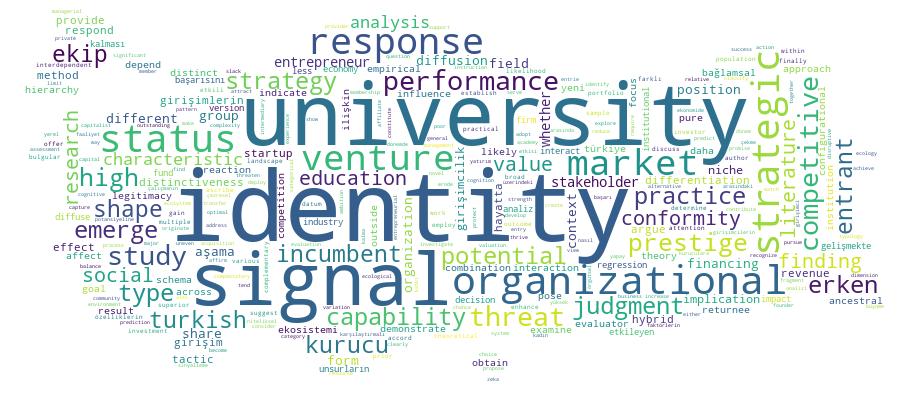
Competency Cloud
12 results
Scholarly Output Search Results
Now showing 1 - 10 of 12
Article Citation - WoS: 1Citation - Scopus: 1Judgments of Capability and Conformity as Distinct Forms of Social Judgments, and the Way They Interact To Shape Evaluator Decisions(Wiley, 2020) Topaler, Başak; Küp, Eyuep TolunayObjective Social judgments are evaluators' opinions about the social properties of a set of actors. Different types of judgments rendered by the evaluators and potential interactions between them may have major consequences for the actors who are evaluated. In this article, we distinguish between judgments of capability and conformity, and examine their concurrent and interdependent effects on evaluator impressions. Methods We investigate these dynamics in the context of authors competing for the best paper award at the Academy of Management (AoM) conference. Results Findings of our empirical analyses demonstrate interdependent effects of capability and conformity judgments on the committee members' decisions. We demonstrate that evaluators expect greater conformity to their ideal template from more capable actors who have greater potential to contribute to these ideals. Conclusion Our study advances the literature on social judgments by showing that congruence (or incongruence) among distinct types of judgment shape evaluators' decisions, beyond their independent effects.Master Thesis Startup Şirketlerin Kurucu Ekip Kompozisyonu ve Erken Aşama Finansmana Erişimini Etkileyen Bağlamsal Unsurlar: Türkiye Startup Ekosistemi(2025) Khan, Hamza; Topaler, Ayşe BaşakBilgi asimetrisinin yüksek olduğu ve erken aşama girişimlerin gelecekteki potansiyeline ilişkin belirsizliğin sürdüğü bir ortamda, yatırımcılar genellikle büyüme ve piyasa potansiyeline dair sinyaller olarak kurucu ekip özelliklerine güvenmektedir. Girişim sinyalleme ve finansmanına yönelik kapsamlı araştırmalar bulunsa da bağlamsal faktörlerin bu süreçlerdeki rolü yeterince incelenmemiştir. Bu tez, sektör, girişimcilik ekosistemi ve ekonomi düzeyindeki bağlamsal unsurların, Türkiye girişimcilik ekosisteminde gözlemlenen kurucu ekip özelliklerini nasıl şekillendirdiğini incelemektedir. Fintek, oyun ve yapay zeka sektörlerine odaklanarak, bu özelliklerin erken aşama yatırımları çekme üzerindeki etkisini ve bağlamsal faktörlerin bu süreci nasıl yönlendirdiğini analiz ediyorum. 2010-2023 yılları arasında kurulan girişimlerin arşiv verilerini kullanarak, kurucu ekip profillerini ekip büyüklüğü, girişimcilerin geçmişi ve ekipteki kadın girişimci oranı açısından belirlemek amacıyla kümeleme analizi gerçekleştirdim. Bu özelliklerin erken aşama yatırım çekme üzerindeki etkisi regresyon analizi ile test edilmiştir. Bulgular, sektörler ve girişimcilik ekosisteminin farklı aşamalarına göre kurucu ekip yapılarında belirgin farklılıklar olduğunu ortaya koymaktadır. Özellikle, dönüş yapan (returnee) bir kurucu ortağın varlığı, ekibin içinde yerel seçkin bir girişimci bulunması veya girişimin yapay zeka sektöründe faaliyet göstermesi durumunda başarıya daha güçlü bir şekilde katkı sağlamaktadır. Daha büyük kurucu ekipler, ekip üyeleri arasında bilişsel benzerlik yüksek olduğunda girişim başarısını artırmaktadır. Kadın girişimcilerin girişim başarısına etkisi zaman içinde değişkenlik göstermekte; ekosistemin büyüme aşamasında pozitif bir etkiye sahipken, olgunluk aşamasında—COVID-19 dönemiyle örtüşen süreçte—negatif bir hale dönüşmektedir. Bu bulgular, sinyalleme ve çeşitlilik literatürüne katkı sağlarken, girişimciler ve politika yapıcılar için daha etkili girişim ekipleri oluşturma ve yatırım stratejileri geliştirme konusunda pratik öneriler sunmaktadır. Anahtar Sözcükler: Girişimcilik Ekosistemi, Erken Aşama Girişimler, Kurucu Ekip Özellikleri, Yatırımcı Sinyallemesi, Girişimcilik Başarısı, Erken Aşama Finansmanı, Türkiye Girişimcilik EkosistemiArticle Gelişmekte Olan Bir Ekonomide Yeni Girişimlerin Hayatta Kalması ve Erken Dönem Başarısını Etkileyen Unsurların Niteliksel Karşılaştırmalı Analiz Yöntemiyle İncelenmesi(2023) Topaler, BaşakBu çalışmanın amacı, gelişmekte olan bir ekonomide faaliyet gösteren yeni girişimlerin hayatta kalması ve erken dönem başarısını etkileyen unsurların incelenmesidir. Söz konusu olgunun teorik karmaşıklığı ve gelişmekte olan ülke ekonomilerindeki dinamiklerine ilişkin yönlendirici öncül çalışmaların eksikliği göz önüne alınarak keşifsel bir araştırma tasarlanmıştır. Hayatta kalma ve başarı üzerinde etkili olabilecek çevresel, örgütsel ve kuruculara ilişkin bir faktör seti önerilerek bunlar arasındaki ilişkiler niteliksel karşılaştırmalı analiz (QCA) yöntemi kullanılarak incelenmiştir. Çalışmanın görgül ortamı Türkiye yeni girişim (startup) ekosistemidir. Bulgular, farklı düzeylerdeki unsurlar arasındaki karmaşık etkileşimlerin yeni girişimlerin hayatta kalması ve başarısında (erken dönemde birleşme/satın alma) etkili olabileceğine işaret etmektedir. Çevresel, örgütsel ve kuruculara ilişkin özelliklerin farklı kombinasyonları bu iki sonuca ulaşmada alternatif yollar sağlayabilmektedir. Hayatta kalma yerel yetkinliklerin etkin kullanımı ile mümkün olabilse de erken dönemde birleşme/satın alma gibi bir başarı yakalayabilmek daha ziyade global yetkinliklere sahip olmakla ilişkilidir.Book Part The Status Granted To Organizational Identity Characteristics: an Application of the Best-Worst Method and Regression Analysis(Springer, 2022) Topaler, B.; Çavdaroğlu, N.A.According to the traditional conceptualization in management literature, organizations gain status through demonstrations of superior performance. Criticizing this narrow focus on “achieved” status, this study identifies the status value ascribed to organizations within socially constructed systems of norms and values. Utilizing concepts offered by institutional research in organization theory, we propose historical legacy, endorsement, and prominence in the field as sources of ascribed status for organizational identity characteristics. The Turkish higher education field constitutes the empirical setting of our research. We conducted interviews with key stakeholders in this field (i.e., students, academicians, managers in industry, and high school counselors) to elicit the organizational characteristics they perceive as relevant for defining university identity. The status value ascribed to these identity characteristics was documented via surveys with separate samples of these four stakeholder groups using a relatively new but widely recognized MCDM method, the best-worst method (BWM). Our findings provide evidence for the view that institutions have a broad influence on social hierarchy systems, yet with some nuances. We discuss theoretical implications for the research on status in markets and practical implications for higher education institutions. © 2022, The Author(s), under exclusive license to Springer Nature Switzerland AG.Article Signaling Shaped by the Context: Early-Stage Funding in the Turkish Startup Ecosystem(Sciendo, 2025) Topaler, Basak; Khan, HamzaProviders of early-stage financing tend to be highly selective due to significant uncertainty surrounding the future potential of new businesses. Since these ventures typically lack established performance records, potential investors focus on observable qualities of the founder as signals of the venture's viability and chances for success in the market. Despite extensive research on new venture signaling and financing, the impact of context on investors' decision-making has not been thoroughly explored. This oversight is significant because both firm performance and investor decision-making are influenced by economic, social, and institutional contexts. This study aims to address this gap in the literature by identifying sector-level, entrepreneurial ecosystem-level, and economy-level factors that serve as contextual influences on new venture signaling. We examine early-stage angel and venture capital investments in Turkey, which is an emerging economy with a thriving entrepreneurial ecosystem. Our results on the sample of 2,231 startups show that returnee founders are more likely to obtain early-stage financing than local entrepreneurs, and investors tend to hold particularly favorable views of returnee entrepreneurs in high-tech industries. Moreover, the likelihood of securing investment increases with the diversity of the founder's prior work experience, a trend that has been amplified during the heightened turbulence caused by the COVID-19 pandemic. Finally, investors' evaluations of female entrepreneurs slightly improve as women-led startups become more prevalent in the ecosystem and gain legitimacy. These findings indicate that finance providers have a significantly broad attention span for context-specific influences, and their decisions are shaped by both rational and socio-cognitive processes.Article Citation - WoS: 1Shared Identity Schemas Shape Incumbent Responses To New Entrants(Informs, 2022) Kocak, Ozgecan; Topaler, BasakAn outstanding question in research on competitive strategy is what determines the strength and type of strategic response that incumbents deploy against new entrants. We argue that strategists' assessment of threat from new entrants and their choice of strategic reactions depend on the shared identity schema in their field. Position of new entrants across identity categories indicate whether they pose a competitive threat within the same identity based niche or outside it and whether they threaten to erode the incumbent's category's social value relative to other categories. Potential reactions to these threats can also be classified according to whether they protect or enhance the value that incumbents create and capture through their membership in their identity category. Matching identity-relevant strategic actions to the type of threat that new entries pose, we argue that incumbents (1) employ identity-deepening tactics in response to competition in their identity-based niche; (2) use identity-extending tactics in response to competition outside their niche; (3) respond to categorical identity threats by affirming their identities; and (4) are less likely to respond to either competitive or identity threats that originate from new entrants that do not clearly fit in the shared identity schema. We find support for our predictions in analyses using data on the population of Turkish universities over a 30-year period. We discuss theoretical implications for ecological and socio-cognitive studies of markets and practical implications for predicting patterns of strategic interaction and disruptive potential of new entrants.Article Citation - WoS: 5Citation - Scopus: 6The Role of Signals in New Venture Financing in the Context of an Emerging Market: a Configurational Approach(Emerald Group Publishing Ltd, 2023) Topaler, Basak; Adar, GulcanPurposeThis study proposes a portfolio of new venture signals that are likely to attract investors' attention in the context of an emerging market and examines how they work in combination to affect the likelihood of obtaining funding.Design/methodology/approachThe authors use data on early-stage venture capital investments for high-tech start-ups in Turkey. The authors adopt a configurational approach and use fuzzy QCA and regression analysis.FindingsThe findings suggest that financing of new ventures in an emerging economy is shaped by signals of context-specific capabilities that are required to survive and thrive in this market environment alongside and in interaction with signals of general capabilities required for business success. Different combinations of these signals provide equifinal pathways to obtain funding. Furthermore, signals that differ in type and content interact in complex ways to affect investors' decisions.Practical implicationsThe findings suggest that entrepreneurs with no prior experience in the emerging market context can increase their chances of obtaining funding by affiliating with a venture development organization. Another promising strategy is to form a founding team that includes members affiliated with a developed country together with members who have emerging market experience. Finally, entrepreneurs may consider combining signals of context-specific capabilities with signals of general capabilities as they work in a complementary way to attract funding.Originality/valueThis study addresses two major shortcomings of the literature on new venture signaling, first, by positing the emerging market context as a unique signaling environment and, second, by demonstrating the value of considering signals as portfolios with potential interdependencies.Article Citation - WoS: 1Citation - Scopus: 1Shared Identity Schemas Shape Incumbent Responses To New Entrants(INFORMS Inst.for Operations Res.and the Management Sciences, 2023) Koçak,Ö.; Topaler,B.An outstanding question in research on competitive strategy is what determines the strength and type of strategic response that incumbents deploy against new entrants. We argue that strategists’ assessment of threat from new entrants and their choice of strategic reactions depend on the shared identity schema in their field. Position of new entrants across identity categories indicate whether they pose a competitive threat within the same identity-based niche or outside it and whether they threaten to erode the incumbent’s category’s social value relative to other categories. Potential reactions to these threats can also be classified according to whether they protect or enhance the value that incumbents create and capture through their membership in their identity category. Matching identity-relevant strategic actions to the type of threat that new entries pose, we argue that incumbents (1) employ identity-deepening tactics in response to competition in their identity-based niche; (2) use identity-extending tactics in response to competition outside their niche; (3) respond to categorical identity threats by affirming their identities; and (4) are less likely to respond to either competitive or identity threats that originate from new entrants that do not clearly fit in the shared identity schema. We find support for our predictions in analyses using data on the population of Turkish universities over a 30-year period. We discuss theoretical implications for ecological and socio-cognitive studies of markets and practical implications for predicting patterns of strategic interaction and disruptive potential of new entrants. Copyright: © 2022 The Author(s)Article Universities Between Revenue and Status: a Typology of Organizational Responses(John Wiley and Sons Inc, 2025) Topaler, B.; Kayabaşı, A.Prior research on behavioral responses to performance has provided limited attention to how different types of performance outcomes interact to affect organizational reactions. Focusing on the pursuit of revenue and status goals by private universities, we offer a typology of organizational responses (i.e., reducing ambitions, compensatory strategies, and complementary use of slack to pursue new opportunities) which are shaped by the set of challenges and capabilities that poor and superior performance in these goal dimensions present. When poor performance in both revenue and status leads to different types of liabilities that together result in a low likelihood of recovery, universities respond by reducing ambitions and diversifying into a lower status market segment, which offers a more promising path to survival. In response to a mixed performance outcome in revenue and status, universities employ compensatory strategies where they make use of the achievement in one goal dimension to repair the damage in the other. Finally, universities expand the scope of activities when they achieve superior performance in both goals, and the resulting slack in revenue and status provides complementary capabilities to pursue new opportunities. These findings extend the early Carnegie proposal and indicate that the portfolio of organizational responses to performance gaps may be broader than previously considered. © 2023 European Academy of Management.Article Citation - WoS: 6Citation - Scopus: 9Positioning new identities for appeal: Configurations of optimal distinctiveness amid ancestral identities(SAGE PUBLICATIONS LTD, 2021) Topaler, Başak; Koçak, Özgecan; Usdiken, BehlülThe theory of strategic balance argues that organizations that are neither too similar to nor too distinct from their rivals will be best positioned to meet competing demands for legitimacy and competition. This is because a similar identity to other organizations signals conformity, thus generating legitimacy, while adopting a distinctive identity through differentiation provides competitive advantage. Recent studies have noted that various combinations of conformity and differentiation tactics can achieve "optimal distinctiveness," which, depending on the particular competitive landscape, may be low, moderate, or high. This study disentangles the effect of distinctiveness in a landscape from the effects of conformity to and differentiation from ancestral identities that serve as templates for new identities. Taking a configurational approach, we explore whether distinctiveness, proximity to an ancestral identity, hybridization of multiple ancestral identities, and vertical or horizontal differentiation are necessary or sufficient, alone or in combination, to generate appeal for new identities.
